
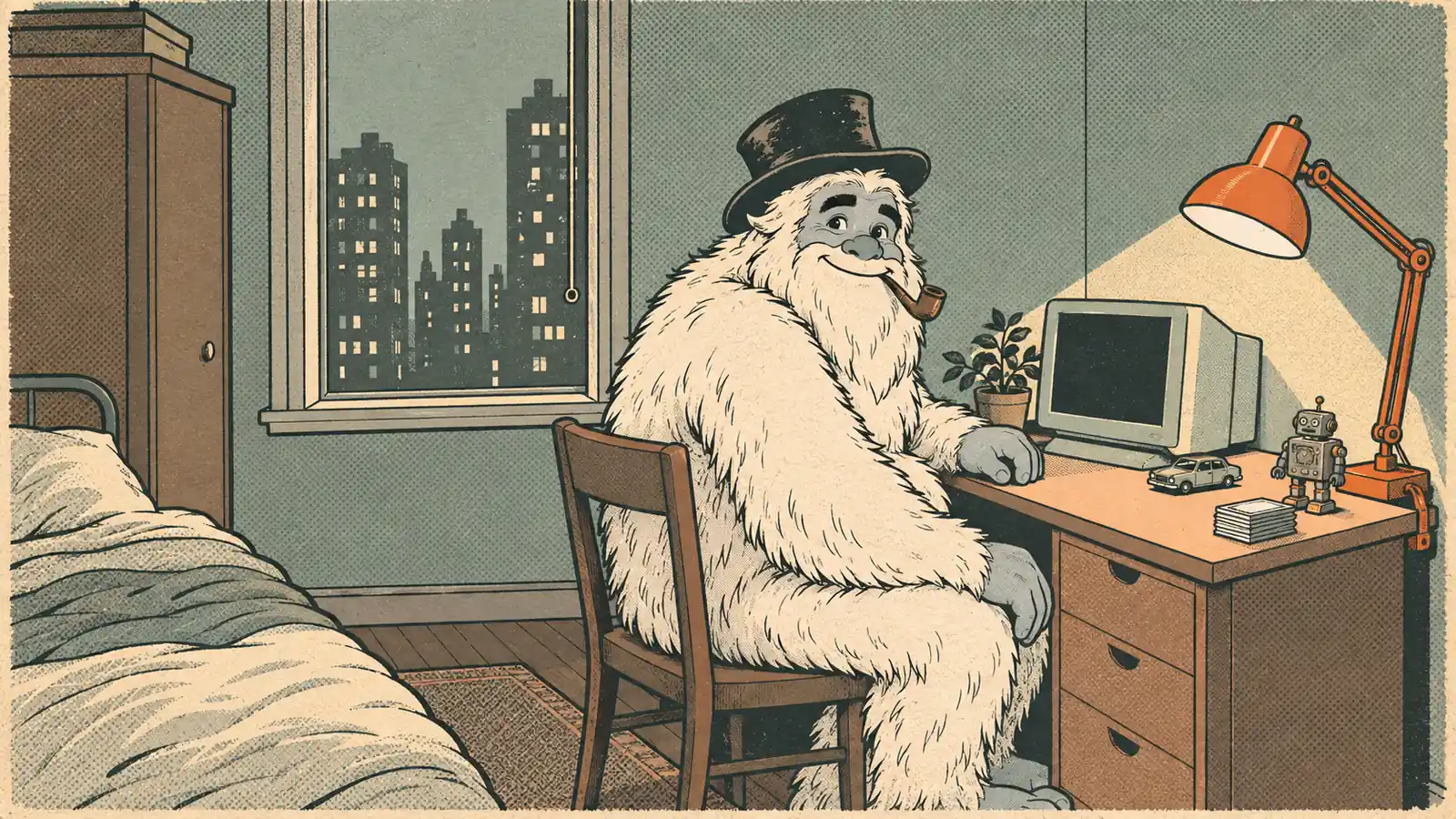
From a very young age, we have been taught to view adulthood as a race—the race to chase larger titles, higher credit limits, bigger cars, and even bigger homes. But if you look closely at the daily life of the modern-day young adult, the true reality is one of quiet containment—confined to our corporate cubes and concrete boxes where attendance is not optional but mandatory. Most of us spend our mornings trapped inside the digital glass of our phones, our afternoons navigating the never-ending grids of corporate spreadsheets, and our evenings trying to keep our living spaces looking presentable, organized, and “mature.”
Beneath the aesthetic demands of keeping a home looking proper, a quiet crisis is arising—one where our spatial identity is defined by our peers, our family, or society. For many of us, the dream of an entire dedicated room or a detached backyard studio is locked behind the gatekeepers of modern real estate. The reality is often a desk tucked into a bedroom corner in a shared flat, or a single table carved out of a high-rent apartment in an expensive, concrete jungle we call “the city.”
But the true boundary isn’t measured in sprawling square footage; it is measured in raw, uncompromised autonomy. The human spirit simply requires absolute control over whatever small perimeter it manages to claim.
Key Takeaways
- You don’t need a spare room to have a sanctuary at home; one desk or table that you fully control is enough.
- A personal desk setup isn’t defined by the absence of work but by the presence of you: objects tied to your interests, history, and goals.
- “Kidult” guilt fades once you stop seeking outside approval. It’s a space you contribute to and owe to no one.
- Physical objects such as die-cast cars, model kits, and small figures give your brain a tactile break from weightless digital work.
- Autonomy is contagious: personalizing a desk at the office often encourages colleagues to do the same.
The Reality of the Bedroom Desk Setup: Building Space in a Tight Corner
There is a common misconception that a functional work desk and your deeply personal sanctuary cannot exist on the same piece of wood. We are often sold the idea that a remote workspace must be a sterile laboratory optimized solely for ergonomics, productivity, and how clinical your background looks on a video call. The only exceptions are typically given to YouTubers, influencers, and streamers, while the average corporate or white-collar worker has to stick to a boring desk setup.
But a personal desk setup isn’t defined by the absence of work; it is defined by the presence of you. It is a physical defense system built right into your day.
Whether you are working from a bedroom corner in a shared flat or sitting in a bustling, cubicled corporate office, the psychological necessity remains the same: we require a perimeter where the rules of the rigid adult world are quietly negotiated. The good news is that you don’t need a separate room to achieve this. However, you do need to have the confidence and audacity to claim whatever little space you have to make it your own. There’s some research behind this: in a University of Exeter experiment, people who could arrange their own workspace got roughly 30% more done than people in a bare one (Knight & Haslam, 2010). The hard truth is that the autonomy you want can be claimed in centimeters, right under the nose of a spreadsheet.
Clinical Workstation vs. Personal Desk Setup: The Evolution of the Square Meter
| The Clinical Workstation | The Personal Desk Setup |
| Optimized for corporate productivity, client compliance, and clean video backgrounds. | Carved out for individual autonomy, creative hobbies, and personal history. |
| Feeds weightless digital stress via metrics, spreadsheets, and emails. | Offers tactile decompression via physical objects you can touch, roll, and feel. |
| Conceals the self to fit a manufactured mold of what an “adult worker” should look like. | Establishes a subtle anchor—a reminder of who you are before, during, and after the log-in hours. |
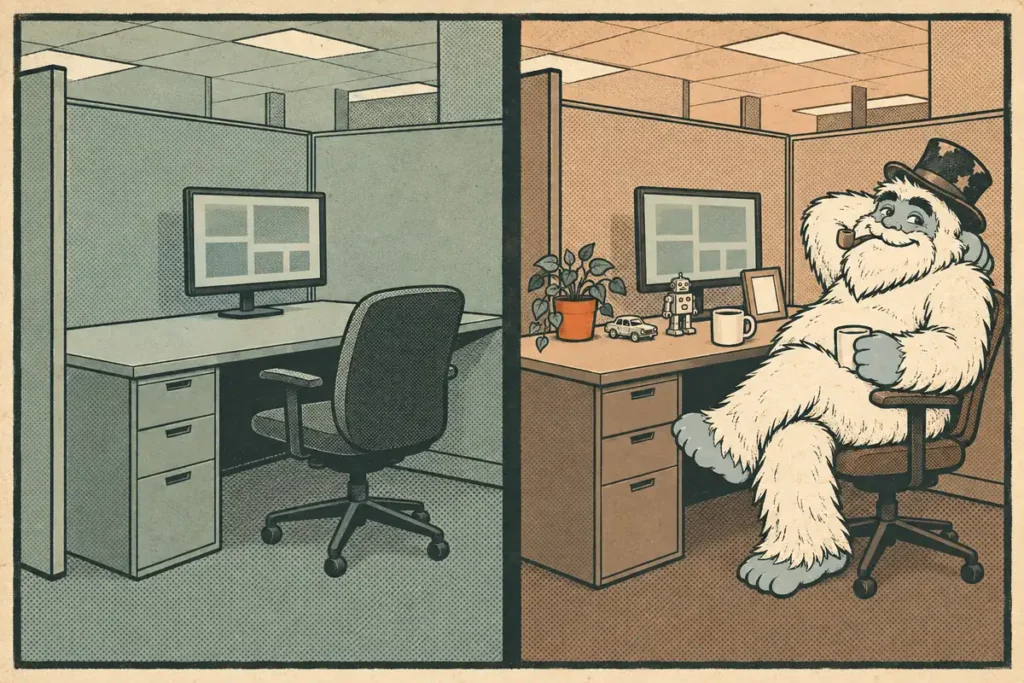
For me, living and working where I’m constantly observed—whether by flatmates, family, or colleagues behind a Zoom lens—is draining in a very specific way. It keeps me in a kind of “performance mode.”
When I had a conventional office job, I refused to let that clinical energy dictate my sanity. I optimized my desk for comfort and creativity. I brought in a few Hot Wheels cars, some old Happy Meal toys, and a small plant to sit alongside my work monitors.
Initially, I wondered if I should keep my inner world entirely private from colleagues. If you aren’t comfortable revealing that side of yourself to your team, the strategy is simple: keep your personal anchors just outside the camera’s line of sight, or let a soft background blur protect your perimeter during meetings. A tiny die-cast car sitting right below your monitor doesn’t need to be part of the company agenda; it is there entirely for your baseline sanity.
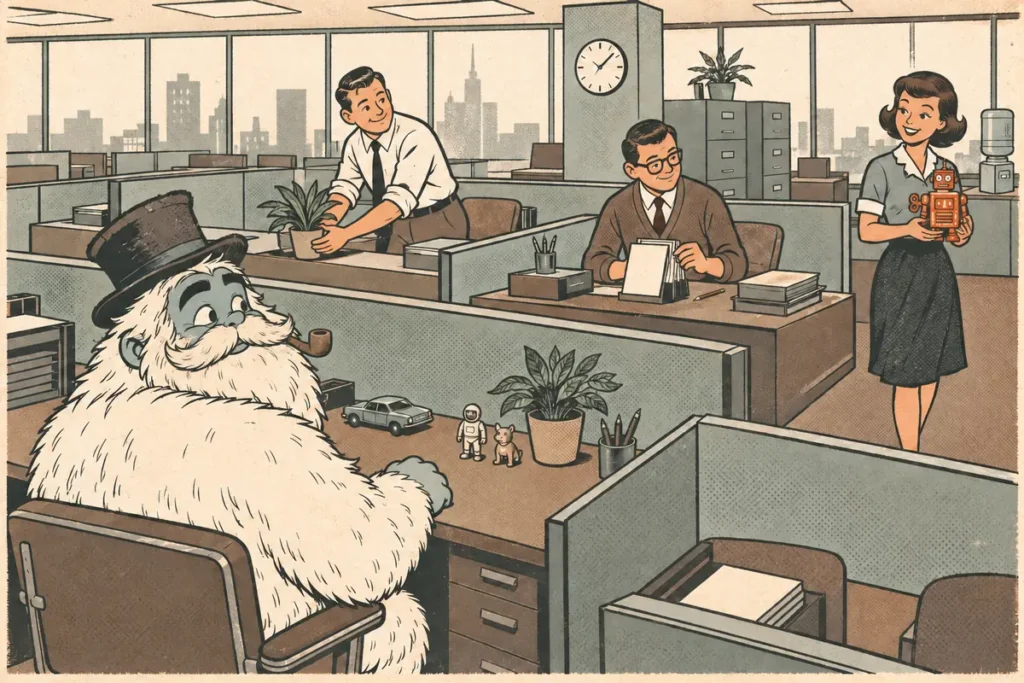
However, I chose to leave my pieces visible, and a quiet magic happened. Not only did my colleagues love the items, but I watched a fascinating shift occur in the office culture. Within a few weeks, the people sitting around me started quietly bringing in their own collectibles, plants, and desk toys. They began personalizing their own spaces simply because someone else had broken the ice. I realized then that when you dare to personalize your space in a corporate environment, you aren’t just decorating—you are signaling. Autonomy is contagious.
Is a Desk Full of Toys “Childish”? Navigating the Kidult Stigma With Intentional Living
Claiming a table as an adult inevitably creates a strange, subtle friction with the domestic world. When you choose to decorate your one square meter of autonomy with a Gundam helmet, action figures, a retro console, or raw consumer electronics instead of minimalist, neutral vases, people notice. Even the most understanding partners, parents, or roommates will occasionally drop a well-meaning joke. They ask when you’re going to “grow out” of the plastic, or laugh gently at the sight of a grown adult carefully unboxing a collectible.
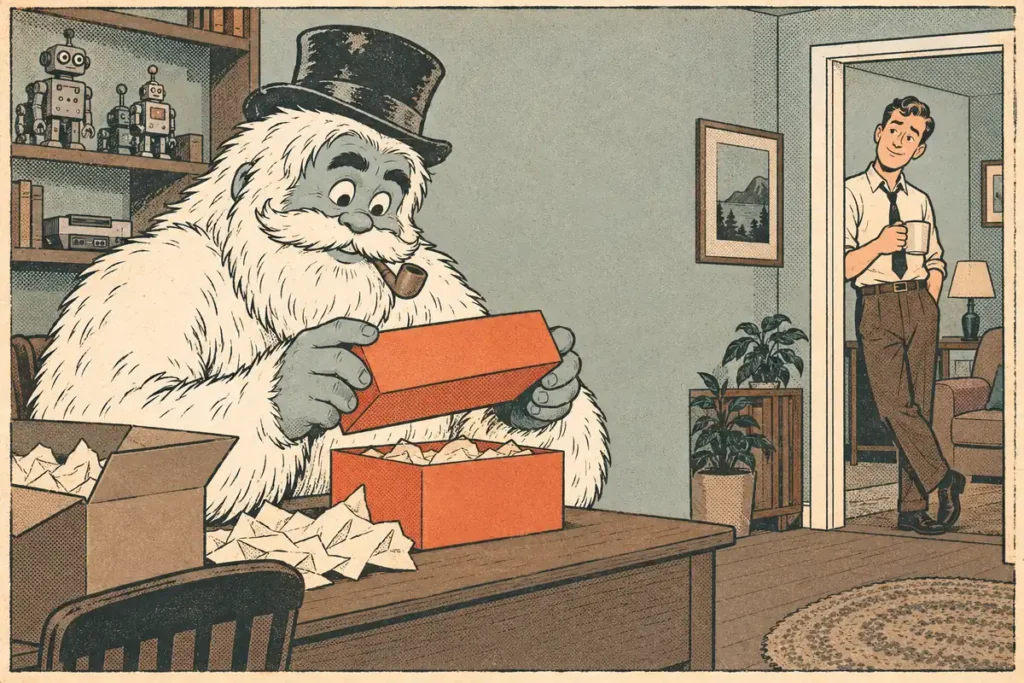
The real issue is that modern households have very little space free to be completely dominated by any single person at all times. Because of this, even silly, harmless jokes can cause you to get into your own head and introduce a layer of “kidult” guilt.
An adult sanctuary isn’t a spatial luxury; it is a vital psychological defense system—one where you use things you are familiar with to give yourself a break from the mundane life while still grounding yourself to reality.
The only way to get over the stigma of having what most consider toys decorating your workspace is to stop seeking external validation and simply do it for yourself. It feels far less guilty when you realize that this is a space you owe to no one. You contribute to the home, you pay the rent, and other people’s opinions of your table are entirely irrelevant regardless of how flashy it looks.
My workspace is a mini-laboratory for my honest, unvarnished interests. It isn’t childish, because a personal desk goes way beyond assembling Lego sets. It can be an art station, a tech layout, a mini workshop, or a toy train setup. The sky is the limit, and how it looks varies entirely based on what grounds your baseline sanity.
Tactile Breaks: Why Physical Objects Matter on a Digital Worktable
When you spend your entire working life staring at a computer screen, your brain undergoes a specific type of weightless exhaustion. The stress of digital work is algorithmic, technical, and empty. You solve a digital problem, and your reward is simply more digital noise. Passive scrolling isn’t much of a break either. In one experiment, people who use Facebook passively felt worse afterwards than those who used it actively (Verduyn et al., 2015), and in my own experience it leaves me both overstimulated and empty.
This exhaustion happens because the digital world lacks friction. In his book Non-things: Upheaval in the Lifeworld, the Korean-born, Berlin-based philosopher Byung-Chul Han notes:
“Today, we are in the transition from the age of things to the age of non-things. It is not things, but information that determines the living world.”
Han argues that when we lose our relationship with physical objects, we lose our anchoring in reality. Information doesn’t possess a body; it floats, demands constant attention, and never truly satisfies the senses.

This is where the physical items resting on my desk graduate from being mere decorations to functioning as literal mental anchors, philosophical reminders, and real-time relief valves. They are what the philosopher Martin Heidegger, in Being and Time (1927), called ready-to-hand—objects that possess a tactile reality that pulls us out of our heads and back into our bodies. When I place raw, tactile materials in my immediate workspace, I give my brain an analog escape hatch:
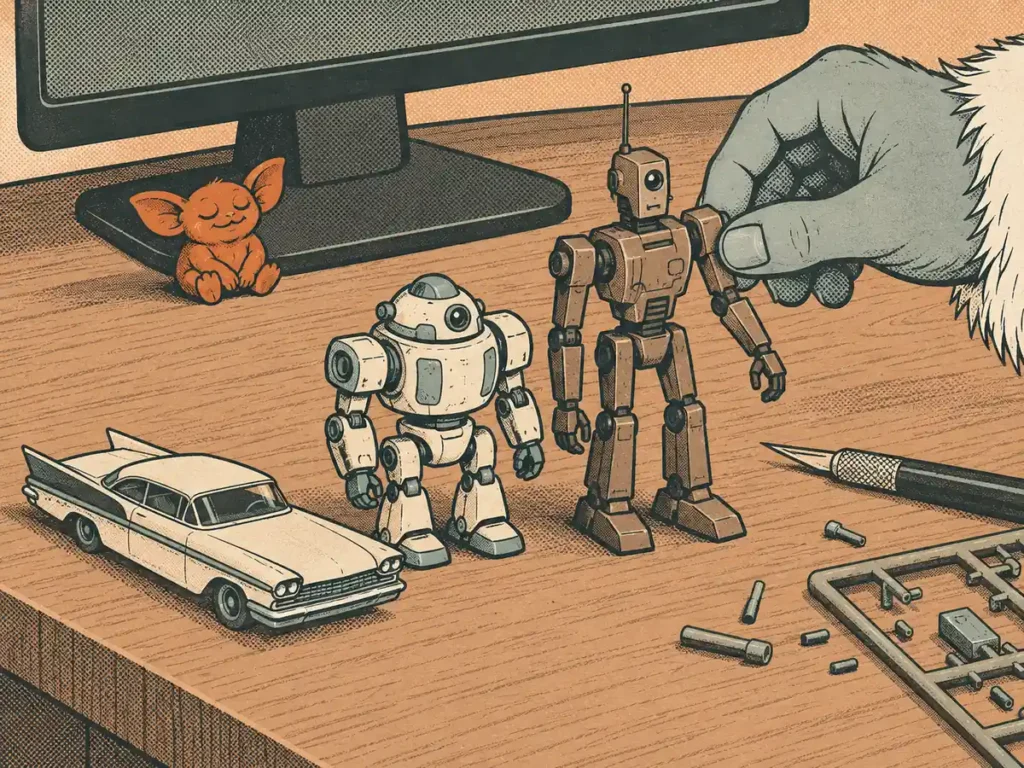
- The 1:64 Scale Chevy Impala Die-Cast: Keeping a classic muscle car—painted in a deep gloss finish and resting right on the wood grain of your desk—acts as a vital visual bridge. It isn’t just a toy car; it is a physical manifestation of a long-term aspiration, a mechanical piece of history you plan to own in full scale someday. Rolling or simply just looking at the cool, weighted metal across your palm offers an instant, tactile break from a weightless day of spreadsheets, grounding your current labor in a tangible future goal. Furthermore, this is the perfect way to get started on reclaiming your space whether it is at work or home without the inconvenience of losing the limited space on your desk.
- The Master Grade (MG) Gunpla Model Kits: Having a classic Gundam RX-78-2 standing shoulder-to-shoulder with its iconic red rival, the MS-06S Zaku II, introduces a deep layer of creative history to a tight workspace. Because these aren’t just bought—they are painstakingly built, sanded, and snapped together by your own hands—their presence on a small table is a testament to un-optimized, patient craftsmanship. Not to mention the memories such pieces evoke from the cartoons and anime you used to watch in awe as a child.
- The Cubone Figure: A small Pokémon figure sitting quietly beneath your monitor base. In the vast landscape of modern animation subcultures, Cubone stands out as a symbol of resilience, quiet solitude, and carrying one’s history openly. Having this small entity resting on your desk injects a distinct, silent jolt of childhood nostalgia into a dull corporate afternoon slump. It serves as a reminder of who you were before the log-in hours began.
In today’s world, an adult sanctuary isn’t a spatial luxury anymore; it is a vital psychological defense system where a human can freeze their professional duties and personal responsibilities even for a little while. By keeping these objects within arm’s reach, we resist the weightless drift of the digital screen. We remind ourselves that we are creatures of muscle, bone, and memory—not just processors of data.
Frequently Asked Questions About Personal Desk Setups
What is a personal desk setup?
A personal desk setup is a workspace arranged around who you are, not just around productivity. It can hold your work monitor alongside objects tied to your interests and history, such as die-cast cars, model kits, figures, or plants, so the same table works as both a workstation and a small sanctuary.
Can you create a personal sanctuary at home without a spare room?
Yes. Personal space is measured in autonomy, not square footage. A desk in a bedroom corner, a table in a shared flat, or a single surface in a small city apartment can become an adult sanctuary as long as it is genuinely yours to arrange.
Is it childish to keep toys and collectibles on your desk as an adult?
No. Many adults, often called kidults, keep collectibles, figures, and retro items nearby because they ground them. A personal desk can just as easily be an art station, a tech layout, a mini workshop, or a toy train setup. What matters is that it reflects your honest interests rather than other people’s expectations.
How do you personalize a work desk without it showing on video calls?
Keep your personal anchors just outside the camera’s line of sight, such as below the monitor or to one side, or use background blur during meetings. The objects are there for your own baseline sanity, not for the company agenda.
Why do physical objects help with screen fatigue?
Digital work is weightless: it produces information but gives the senses very little to hold on to. Physical objects you can see, touch, or roll in your palm offer a tactile break that pulls you out of your head and back into your body, an idea explored by philosophers Byung-Chul Han and Martin Heidegger.
What is the easiest way to start personalizing a small desk?
Start with one small object that means something to you. A single 1:64-scale die-cast car fits under a monitor, takes up almost no desk space, and works just as well at the office as it does at home.

Sources and Further Reading
- Han, Byung-Chul. Non-things: Upheaval in the Lifeworld. Translated by Daniel Steuer. Polity, 2022 (originally published in German as Undinge, Ullstein, 2021). Library catalogue record
- Han, Byung-Chul. “I Practise Philosophy as Art.” ArtReview. Read the interview
- Whyman, Tom. “Ghost of the Jukebox” (review of Non-things). Literary Review. Read the review
- Wrathall, Mark. “Martin Heidegger.” Stanford Encyclopedia of Philosophy, first published 31 January 2025 (see section 2.1 on readiness-to-hand). Read the entry
- Heidegger, Martin. Being and Time (1927).
- Knight, Craig, and S. Alexander Haslam. “The Relative Merits of Lean, Enriched, and Empowered Offices.” Journal of Experimental Psychology: Applied 16, no. 2 (2010). Study summary
- Verduyn, Philippe, et al. “Passive Facebook Usage Undermines Affective Well-Being: Experimental and Longitudinal Evidence.” Journal of Experimental Psychology: General 144, no. 2 (2015): 480–488. Abstract
- Sonnentag, Sabine, and Charlotte Fritz. “The Recovery Experience Questionnaire.” Journal of Occupational Health Psychology 12, no. 3 (2007): 204–221. Record
- Routledge, Clay, et al. “The Past Makes the Present Meaningful: Nostalgia as an Existential Resource.” Journal of Personality and Social Psychology 101, no. 3 (2011): 638–652. Record
Varun · Founder, Funcle Yeti
Varun writes about nostalgia, hobbies, and the things we loved before we learned to be embarrassed about loving them. He started Funcle Yeti after noticing how many adults around him were quietly rebuilding the collections they’d given up at fifteen — and how few could explain why it helped.
He trained as a mechanical engineer (with a diploma in automobile engineering), so he likes to test things before he recommends them. He is not a psychologist. Where a post leans on research, the sources are linked inline; everything else is his own experience and opinion, and he says so.
Illustrations generated with AI in the Funcle Yeti house style.